
Press release Spill Response
Atas Logistics Pte Ltd provides dependable sea, air, and land shipping solutions designed to keep international supply chains moving safely, efficiently, and on schedule.
Atas Logistics Pte Ltd Strengthening Spill Response Readiness Across the Terminal Network
Atas Logistics Pte Ltd Strengthening preparedness, response coordination and operational readiness is an important part of maintaining safe and responsible terminal operations.
Strengthening emergency preparedness across terminal operations.
Atas Logistics Pte Ltd Safe terminal operations depend on effective preparation, clear procedures and the ability to respond quickly when an unexpected incident occurs. Atas Logistics continues to focus on strengthening spill response readiness across its terminal network as part of its broader commitment to operational safety and responsible logistics.
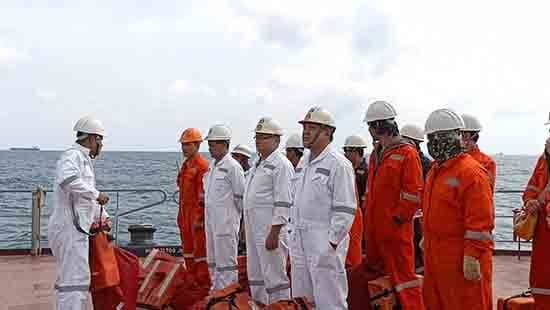
Spill response preparedness is an important component of petroleum and bulk liquid terminal operations. Effective readiness requires more than response equipment alone. It involves trained personnel, clearly defined responsibilities, communication procedures, emergency planning and regular evaluation of response capabilities.
A coordinated emergency response framework helps terminal teams understand their roles and responsibilities during an incident. Response procedures should be practical, accessible and aligned with applicable terminal requirements and environmental protection practices.
Preparedness Through Training and Awareness
Atas Logistics places emphasis on maintaining clear escalation procedures and communication channels so that relevant personnel can coordinate effectively when an operational emergency occurs. Personnel awareness is a key part of spill response readiness. Regular training and emergency exercises help teams become familiar with response procedures, communication protocols and the appropriate use of response resources.
Maintaining Response Equipment and Resources
Spill response equipment must be appropriately maintained, accessible and ready for use. Regular checks help ensure that response resources can be deployed efficiently when required. Equipment readiness forms part of a wider preparedness approach that combines physical resources with trained personnel, documented procedures and effective emergency communication.
Prevention Remains the First Priority
While effective response planning is essential, preventing incidents from occurring remains the primary objective. Strong operating procedures, routine inspections, equipment maintenance and personnel awareness all contribute to reducing operational risks. By combining prevention with preparedness and response planning, terminal operators can build a more resilient approach to managing unexpected events.